

Buy Diphenhydramine Powder Online USA, UK, Australia & Europe – Global Chem Market
Diphenhydramine Powder is a first-generation antihistamine with established pharmaceutical applications. It is widely studied in pharmaceutical science, analytical chemistry, toxicology, and clinical research because of its antihistaminic and central nervous system effects.
What Is Diphenhydramine Powder?
Diphenhydramine is an H1 antihistamine used in various medicinal products. It can help relieve allergy-related symptoms and is also present in certain formulations for temporary sleep-related indications, depending on the product and jurisdiction.
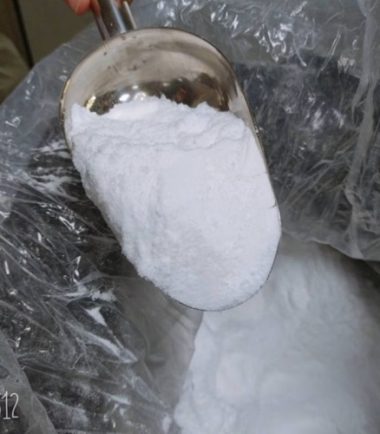
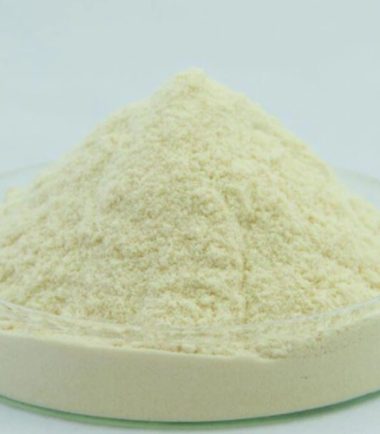
The term “diphenhydramine powder” describes a physical form and does not independently establish chemical identity, purity, concentration, pharmaceutical grade, or suitability for human use. Laboratory analysis is appropriate when accurate characterization is required.
Diphenhydramine Pharmacological Profile
Diphenhydramine powder primarily acts as an antagonist/inverse agonist at histamine H1 receptors. As a first-generation antihistamine, it can also produce significant anticholinergic and central nervous system effects.
Key pharmacological characteristics include:
- H1 histamine-receptor antagonism
- Antihistaminic activity
- Anticholinergic effects
- Sedating properties
- Central nervous system penetration
- Rapid absorption and hepatic metabolism
Its pharmacological effects can vary according to individual factors, formulation, and interactions with other substances.
Pharmaceutical & Analytical Applications
Diphenhydramine is used in a variety of pharmaceutical formulations and is relevant to pharmaceutical quality-control and analytical laboratories.
Research and testing applications can include:
- Active pharmaceutical ingredient identification
- Assay and quantitative analysis
- Purity testing
- Formulation analysis
- Stability studies
- Impurity and degradation-product assessment
- Forensic toxicology
Analytical methods may include HPLC, LC-MS/MS, GC-MS, UV-visible spectroscopy, and other validated techniques.
Identification & Laboratory Testing
Appearance alone cannot reliably establish the identity or purity of diphenhydramine powder. Professional laboratory analysis can confirm chemical identity and characterize the composition of a sample.
Testing may evaluate:
- Chemical identity
- Concentration and assay
- Purity
- Related substances
- Degradation products
- Pharmaceutical formulation characteristics
Validated methods and appropriate reference standards should be used for reliable pharmaceutical analysis.
Safety & Toxicology Considerations
Diphenhydramine powder can cause drowsiness, reduced alertness, impaired coordination, dry mouth, blurred vision, and other anticholinergic effects. Effects can be more pronounced at excessive exposure.
High exposure can result in serious toxicity, including marked confusion, agitation, abnormal heart rhythms, seizures, loss of consciousness, and other potentially life-threatening complications.
Combining diphenhydramine with alcohol, sedatives, opioids, or other central nervous system depressants can increase impairment and other risks.
Regulatory & Pharmaceutical Considerations
Diphenhydramine is an established pharmaceutical ingredient, but its regulatory classification, approved uses, labeling requirements, and availability can differ between jurisdictions.
Organizations handling diphenhydramine as a pharmaceutical ingredient or research chemical should follow applicable quality standards, safety documentation, storage requirements, and regulatory procedures.
Frequently Asked Questions
What is diphenhydramine powder ?
Diphenhydramine is a first-generation H1 antihistamine used in various pharmaceutical products for allergy-related symptoms and other approved indications.
What is diphenhydramine used for?
Depending on the formulation and jurisdiction, diphenhydramine may be used for temporary relief of allergy symptoms and in certain products intended for short-term sleep-related use.
Is diphenhydramine a sedating antihistamine?
Yes. Diphenhydramine readily enters the central nervous system and can cause significant drowsiness and impaired alertness.
How is diphenhydramine identified in a laboratory?
Analytical laboratories may use HPLC, LC-MS/MS, GC-MS, UV-visible spectroscopy, and other validated techniques to identify and quantify diphenhydramine.
Does powder appearance confirm diphenhydramine identity?
No. Appearance alone cannot establish chemical identity, purity, concentration, or composition. Laboratory analysis is required for dependable characterization.
Can diphenhydramine cause serious toxicity?
Yes. Excessive exposure can cause serious anticholinergic and central nervous system toxicity, including seizures, abnormal heart rhythms, severe confusion, and loss of consciousness.
Can diphenhydramine interact with other substances?
Yes. Alcohol, opioids, sedatives, and other CNS depressants can increase impairment and other adverse effects when combined with diphenhydramine.
Is diphenhydramine regulated?
Regulatory requirements vary by jurisdiction and formulation. Applicable pharmaceutical and chemical-handling requirements should be verified for the relevant location.
Buy Diphenhydramine Hydrochloride CAS 147-24-0 Online – Fast International Shipping – Safe and Fast Delivery
Global Chem Market Delivering to 50+ countries. Most of the products have a large amount of stock, so the products can be sent quickly after the payment is confirmed, and the tracking number and packaging details will be notified as soon as possible; Our products are exported to many countries in large quantities, such as Germany, Brazil, the United States, Spain, the United Kingdom, France, Canada, Mexico, Poland, Russia, Australia, Norway, Finland, etc., with more than 1000 kg per month. We have cooperative agents in these countries. Our customs clearance company will clear your package without customs problems.




Reviews
There are no reviews yet.