
Buy Protonitazene Powder Online USA – Global Chem Market
Protonitazene Powder is a synthetic opioid belonging to the benzimidazole opioid family. It has been identified in forensic and toxicological investigations and is associated with significant opioid-related health risks.
Protonitazene is not an approved pharmaceutical opioid in the United States. Because of its high potency and limited established human safety information, analytical identification and appropriate laboratory controls are particularly important when this compound is encountered in research or forensic settings.
What Is Protonitazene Powder?
Protonitazene is a synthetic benzimidazole opioid that has appeared in illicit drug markets and forensic casework. A powdered material described as protonitazene should not be assumed to have a particular identity, purity, concentration, or composition without appropriate analytical verification.
Research interest commonly involves forensic toxicology, analytical chemistry, drug-monitoring programs, and the characterization of emerging synthetic opioids.
Protonitazene Pharmacological Profile
Protonitazene is associated with activity at mu-opioid receptors, the same broad receptor system responsible for many of the analgesic and respiratory-depressant effects of conventional opioids.
Its pharmacological profile and potency create substantial toxicological concerns. Human pharmacology, metabolism, and long-term safety are less comprehensively characterized than those of established prescription opioids.
Analytical & Forensic Research
Protonitazene may be investigated in:
- Forensic toxicology
- Clinical toxicology
- Analytical chemistry
- Emerging-drug surveillance
- Reference-standard research
- Chromatographic method development
- Mass-spectrometric identification
Techniques such as LC-MS/MS, GC-MS, and high-resolution mass spectrometry may be used to identify and characterize protonitazene in appropriately controlled laboratory settings.
Protonitazene Powder Identification
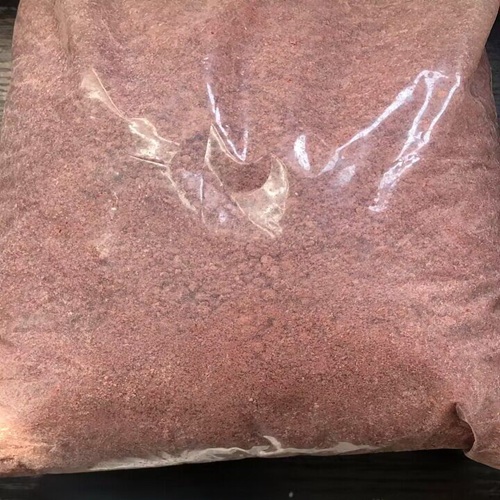
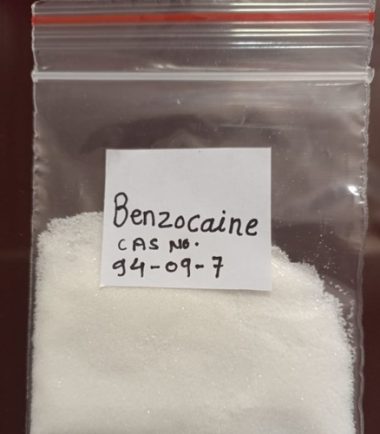
Visual inspection cannot reliably establish the identity or concentration of an unknown powder.
Validated laboratory methods and appropriate reference materials are important for distinguishing protonitazene from other synthetic opioids and unrelated substances. Analytical verification can also help identify mixtures, impurities, or unexpected compounds.
Safety & Toxicology Information
Protonitazene exposure can present serious opioid-related risks, including:
- Extreme drowsiness or sedation
- Reduced consciousness
- Respiratory depression
- Loss of coordination
- Nausea or vomiting
- Coma
- Potentially fatal overdose
The risk of severe toxicity can increase when synthetic opioids are combined with alcohol, benzodiazepines, sedatives, or other opioids.
Any suspected opioid overdose is a medical emergency requiring immediate emergency medical assistance.
Regulatory Considerations
Protonitazene is subject to drug-control measures in various jurisdictions, and applicable regulations can differ between countries and may change over time.
Laboratories, researchers, and organizations should verify current federal, state, European, and national requirements concerning controlled substances, analytical materials, possession, handling, and importation.
Frequently Asked Questions
What is Protonitazene Powder?
Protonitazene powder refers to powdered protonitazene, a synthetic benzimidazole opioid primarily encountered in forensic, toxicological, and analytical contexts.
Is protonitazene a prescription medication?
No. Protonitazene is not an approved prescription opioid in the United States.
How does protonitazene affect the body?
Protonitazene acts on the mu-opioid receptor system and can produce powerful opioid effects, including sedation and potentially severe respiratory depression.
Is protonitazene dangerous?
Yes. Protonitazene is associated with significant opioid toxicity, particularly respiratory depression and potentially fatal overdose. Its effects and risks can also be difficult to predict when the composition or concentration of a sample is uncertain.
How can protonitazene powder be identified?
Appearance alone is insufficient. Validated laboratory techniques such as LC-MS/MS, GC-MS, or high-resolution mass spectrometry can provide reliable chemical identification.
Can protonitazene be combined with benzodiazepines or alcohol?
Combining protonitazene with benzodiazepines, alcohol, or other CNS depressants can substantially increase the risk of severe respiratory depression, unconsciousness, and death.
Is protonitazene regulated?
Protonitazene is subject to legal controls in various jurisdictions. Specific classification and requirements depend on the country or jurisdiction and should be verified with current regulatory authorities.
Why is analytical testing important for protonitazene?
Analytical testing can distinguish protonitazene from other synthetic opioids and identify unexpected substances or mixtures. This is particularly important because visual appearance cannot establish the composition or concentration of a powdered sample.
admin –
Good product. I will buy it now!!
Jane –
Lorem ipsum dolor sit amet, feugiat delicata liberavisse id cum
Jane Doe –
Lorem ipsum dolor sit amet, feugiat delicata liberavisse id cum
Jane Doe –
Mea cu case ludus integre, vide viderer eleifend ex mea