


Buy 3-CMC (3-Chloromethcathinone) Online USA – GLOBAL CHEM MARKET
3-CMC, also known as 3-Chloromethcathinone, is a synthetic cathinone that has been investigated in analytical chemistry, forensic toxicology, and pharmacological research. As an emerging psychoactive compound, its effects and toxicological profile are less extensively characterized than those of established pharmaceutical substances.
What Is 3-CMC (3-Chloromethcathinone)?
3-Chloromethcathinone is a chlorinated synthetic cathinone structurally related to other substituted cathinone compounds. The chemical name refers to the position of the chlorine substituent on the aromatic ring.
Research involving 3-CMC may focus on its molecular structure, analytical identification, metabolism, pharmacological activity, and detection in biological samples.
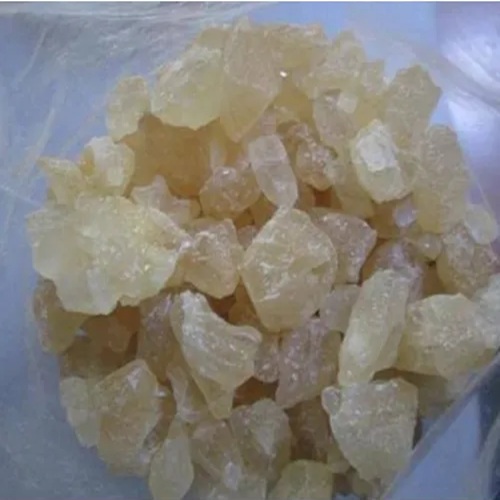
The physical appearance of a material described as “3-CMC” does not independently establish its identity, purity, concentration, or composition. Appropriate laboratory testing is necessary for reliable characterization.
3-CMC Chemical & Pharmacological Profile
3-Chloromethcathinone belongs to the synthetic cathinone family, a group of compounds related structurally to cathinone. Research suggests that compounds in this class can interact with monoamine neurotransmitter systems, including dopamine, norepinephrine, and serotonin pathways.
Research considerations may include:
- Molecular structure and physicochemical properties
- Monoamine transporter activity
- Metabolism and biotransformation
- Analytical detection
- Toxicological characterization
- Comparison with structurally related cathinones
Available evidence for individual synthetic cathinones can be limited, and findings from one compound should not automatically be applied to another.
Analytical & Forensic Research
3-Chloromethcathinone may be encountered in forensic and analytical investigations involving emerging synthetic cathinones. Laboratory methods can help establish chemical identity and distinguish 3-CMC from positional isomers, related cathinones, metabolites, and contaminants.
Potential analytical applications include:
- Forensic toxicology
- Chemical identification
- Biological-sample analysis
- Metabolite research
- Reference-standard comparison
- Emerging-drug surveillance
- Pharmaceutical and laboratory quality-control research
Techniques such as LC-MS/MS, GC-MS, and high-resolution mass spectrometry may be used depending on the analytical objective.
Identification & Laboratory Testing
Reliable identification is particularly important for emerging psychoactive compounds because closely related substances may have similar physical characteristics.
Professional laboratory analysis can help determine:
- Chemical identity
- Approximate or measured concentration
- Purity and impurity profile
- Presence of related compounds
- Potential degradation products
- Composition of an unknown sample
Validated analytical procedures and suitable reference materials should be used whenever accurate identification is required.
Safety & Toxicology Considerations
The human safety profile of 3-CMC is not as well established as that of approved pharmaceutical medications. Synthetic cathinones may be associated with stimulant and sympathomimetic effects, including increased heart rate and blood pressure, agitation, anxiety, insomnia, and other central nervous system effects.
Potential toxicological concerns can vary according to the substance, concentration, individual characteristics, and presence of other compounds. Unexpected composition or contamination can further complicate risk assessment.
Research and laboratory personnel should follow applicable chemical-safety procedures, safety documentation, appropriate protective measures, and institutional requirements.
Regulatory & Research Considerations
The legal status of 3-CMC varies by jurisdiction and may change as authorities update controlled-substance and new-psychoactive-substance regulations.
Before conducting laboratory or research activities, organizations should verify applicable federal, state, national, and local requirements, as well as institutional policies governing controlled or regulated compounds.
Frequently Asked Questions
What is 3-CMC?
3-CMC, or 3-Chloromethcathinone, is a synthetic cathinone studied in areas including analytical chemistry, forensic toxicology, and pharmacological research.
What does 3-CMC stand for?
3-CMC stands for 3-Chloromethcathinone, referring to a chlorinated derivative within the synthetic cathinone family.
How is 3-CMC identified?
Laboratories may use analytical techniques such as LC-MS/MS, GC-MS, and high-resolution mass spectrometry to identify and characterize 3-CMC.
Is 3-CMC the same as other synthetic cathinones?
No. Although synthetic cathinones share structural characteristics, individual compounds can differ in pharmacology, metabolism, potency, toxicity, and regulatory status.
Is there extensive human safety information on 3-CMC?
Human toxicological data are limited compared with established pharmaceutical substances. Research findings should therefore be interpreted cautiously.
Why is laboratory testing important for 3-CMC?
Laboratory testing can help establish identity, assess composition, detect impurities, and distinguish 3-CMC from related compounds or positional isomers.
Is 3-CMC regulated?
Regulatory treatment varies by jurisdiction and can change over time. Applicable laws and institutional requirements should be checked before research or laboratory handling.
What research areas involve 3-Chloromethcathinone?
Research may include forensic toxicology, analytical chemistry, emerging-drug surveillance, metabolism studies, chemical characterization, and pharmacological investigation.
Reviews
There are no reviews yet.