
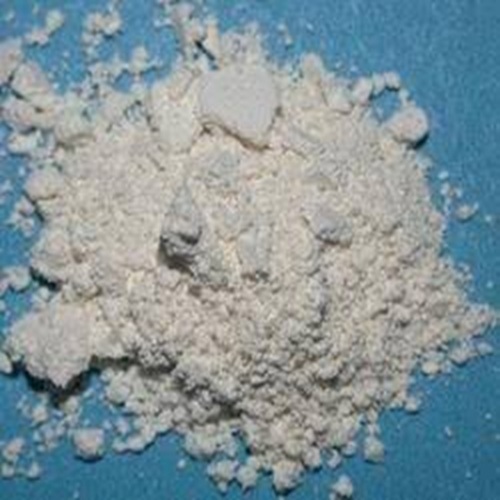


Buy Oxycodone Powder Online USA – Global Chem Market
Oxycodone Powder is a prescription opioid analgesic used medically for the management of certain types of moderate to severe pain. It acts primarily through opioid receptors in the central nervous system and is subject to strict regulatory controls because of its potential for dependence, misuse, respiratory depression, and overdose.
What Is Oxycodone Powder?
Oxycodone is a semi-synthetic opioid medication available in regulated pharmaceutical formulations. A powder form does not by itself establish pharmaceutical quality, identity, concentration, purity, sterility, or suitability for human use.
Definitive identification and characterization of an unknown material require appropriate laboratory testing.
Oxycodone Pharmacological Profile
Oxycodone primarily produces its analgesic effects through activity at mu-opioid receptors in the central nervous system. Opioid receptor activation can reduce the perception and response to pain but can also produce sedation and respiratory depression.
Pharmacological effects vary according to formulation, individual factors, other medications, and clinical circumstances.
Pharmaceutical & Clinical Applications
Oxycodone is used in appropriately prescribed pharmaceutical formulations for the treatment of certain forms of pain. Depending on the formulation and jurisdiction, it may be available alone or in combination with other medicines.
Clinical use requires professional assessment of potential benefits, contraindications, interactions, dependence risk, and monitoring requirements.
Analytical & Forensic Research
Oxycodone is frequently relevant to pharmaceutical quality control, clinical laboratory testing, forensic toxicology, and analytical chemistry.
Laboratories may use methods including:
- LC-MS/MS
- GC-MS
- High-resolution mass spectrometry (HRMS)
- HPLC
- Chromatographic analysis
- Immunoassay screening followed by confirmatory testing
Analytical testing can establish identity, quantify oxycodone, and investigate metabolites or other substances present in a sample.
Identification & Laboratory Testing
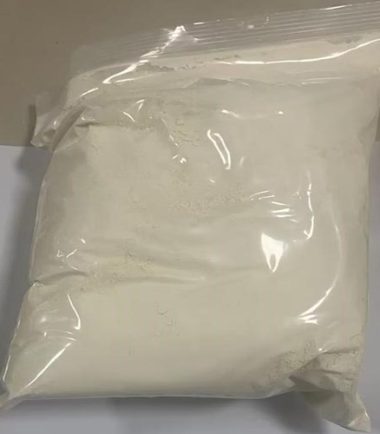
Appearance alone cannot reliably confirm that a material is oxycodone or determine its concentration. Validated laboratory methods are appropriate for definitive identification and quantitative analysis.
Testing protocols should be selected according to the sample matrix, analytical purpose, laboratory standards, and applicable quality-control requirements.
Safety & Toxicology Considerations
Oxycodone can cause drowsiness, dizziness, nausea, constipation, impaired coordination, and respiratory depression. Opioid exposure can also lead to tolerance, physical dependence, and substance use disorder.
Combining oxycodone with alcohol, benzodiazepines, or other central nervous system depressants can substantially increase the risk of profound sedation, respiratory depression, overdose, and death.
Suspected opioid overdose is a medical emergency. Naloxone can reverse opioid overdose when administered appropriately, but emergency medical assistance should still be obtained.
Regulatory & Pharmaceutical Considerations
Oxycodone is a controlled prescription opioid in the United States and is subject to extensive regulatory requirements. Regulations and controlled-substance classifications can differ internationally.
Healthcare organizations, laboratories, and researchers should verify applicable federal, state, national, import/export, recordkeeping, storage, and institutional requirements before handling regulated oxycodone materials.
FAQ
What is Oxycodone?
Oxycodone is a prescription opioid analgesic used for certain types of moderate to severe pain under appropriate medical supervision.
What does “Oxycodone Powder” mean?
It describes a physical form of oxycodone. The term does not establish pharmaceutical quality, purity, concentration, sterility, or suitability for human administration.
How is oxycodone identified in a laboratory?
Laboratories may use LC-MS/MS, GC-MS, HPLC, HRMS, and other validated analytical techniques. Screening methods may be followed by confirmatory testing.
What are the major safety concerns with oxycodone?
Important risks include sedation, respiratory depression, tolerance, physical dependence, misuse, and potentially fatal overdose.
Can oxycodone be dangerous when combined with other substances?
Yes. Combining oxycodone with alcohol, benzodiazepines, or other central nervous system depressants can substantially increase the risk of dangerous respiratory depression and overdose.
Is oxycodone a controlled substance?
Yes. Oxycodone is a controlled prescription opioid in the United States, with additional requirements that vary by jurisdiction.
Is oxycodone used medically?
Yes. Regulated pharmaceutical formulations of oxycodone are used for certain pain-management indications under professional medical supervision.
What is oxycodone research used for?
Research applications include pharmaceutical quality control, analytical chemistry, pharmacology, clinical laboratory testing, metabolite analysis, and forensic toxicology.



Reviews
There are no reviews yet.