

Buy Phenibut Powder Online USA – Global Chem Market
Phenibut Powder is a GABA-related compound that has been studied for its effects on the central nervous system. It has been investigated in pharmacology, analytical chemistry, toxicology, and research involving psychoactive substances.
Because phenibut can produce central nervous system depression and dependence-related risks, accurate identification, responsible laboratory handling, and awareness of its safety profile are important.
What Is Phenibut Powder?
Phenibut is chemically related to gamma-aminobutyric acid (GABA) and has pharmacological activity involving GABAergic systems. It has also been investigated for activity involving other neurological pathways.
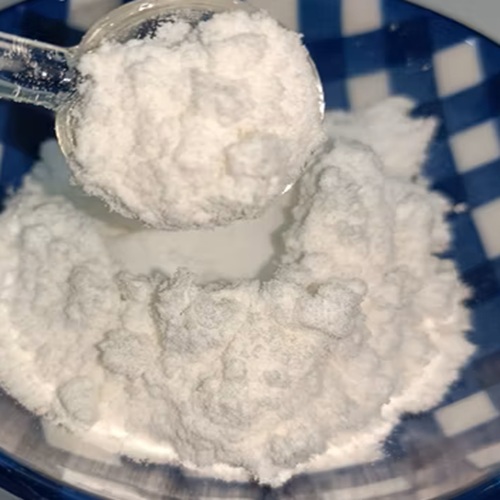
The term “phenibut powder” describes a physical form and does not independently establish identity, purity, concentration, or suitability for human use. Laboratory analysis is appropriate when definitive characterization is required.
Phenibut Chemical & Pharmacological Profile
Phenibut is a GABA-related compound that can influence inhibitory neurotransmission in the central nervous system. Its pharmacological profile has been associated primarily with GABA-B receptor activity, with additional mechanisms investigated in scientific literature.
Effects can include sedation and changes in alertness. Available information does not establish that phenibut has the same clinical profile or safety characteristics as approved pharmaceutical medications.
Analytical & Research Applications
Phenibut may be relevant to analytical chemistry, pharmacological research, forensic toxicology, and studies of psychoactive compounds.
Laboratory methods can include:
- LC-MS/MS
- GC-MS
- High-resolution mass spectrometry (HRMS)
- Chromatographic analysis
- Spectroscopic techniques
- Reference-material comparison
Analytical testing can help establish identity, characterize composition, and investigate impurities or related compounds.
Identification & Laboratory Testing
Physical appearance alone cannot reliably confirm phenibut identity or determine concentration and purity. Validated laboratory testing should be used when definitive chemical characterization is required.
Testing procedures should be selected according to the sample type, analytical objective, laboratory standards, and applicable quality-control procedures.
Safety & Toxicology Considerations
Phenibut Poweder can produce central nervous system effects including sedation, dizziness, impaired coordination, and reduced alertness. Repeated exposure can lead to tolerance, dependence, and withdrawal symptoms.
Combining phenibut with alcohol, opioids, benzodiazepines, or other central nervous system depressants can increase the risk of excessive sedation and potentially serious respiratory or neurological effects.
Severe or unexpected symptoms following exposure warrant prompt medical evaluation.
Regulatory & Research Considerations
The legal and regulatory status of phenibut varies between jurisdictions. Some jurisdictions have restricted or otherwise regulated its sale or use, while requirements can differ internationally.
Researchers and laboratories should verify current federal, state, national, import/export, recordkeeping, storage, and institutional requirements before handling phenibut.
FAQ
What is Phenibut?
Phenibut is a GABA-related compound investigated for its effects on the central nervous system and studied in pharmacological, analytical, and toxicological research.
What does “Phenibut Powder” mean?
It describes a physical form of phenibut. Powder form alone does not establish chemical identity, purity, concentration, or suitability for human use.
How is phenibut identified in a laboratory?
Analytical laboratories may use LC-MS/MS, GC-MS, HRMS, chromatography, spectroscopy, and other validated techniques to establish identity and characterize samples.
What are the main safety concerns associated with phenibut?
Potential concerns include sedation, dizziness, impaired coordination, tolerance, dependence, and withdrawal. Effects may become more dangerous when combined with other central nervous system depressants.
Can phenibut interact with other substances?
Yes. Combining phenibut with alcohol, opioids, benzodiazepines, or other sedating substances may increase central nervous system depression and associated risks.
Is phenibut a pharmaceutical medication?
Phenibut does not have the same approved pharmaceutical status in every jurisdiction. Its regulatory and clinical status should be evaluated according to the applicable country or region.
Is phenibut powder regulated?
Regulatory status varies by jurisdiction and can change over time. Current applicable laws and institutional requirements should be verified before handling or researching the compound.
What is phenibut research used for?
Research may involve pharmacology, analytical chemistry, forensic toxicology, compound identification, metabolite studies, and investigation of GABA-related mechanisms.




Reviews
There are no reviews yet.