
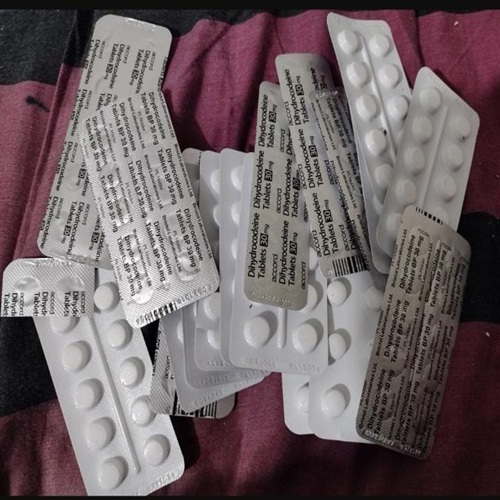
Buy Dihydrocodeine 30mg Online USA – Global Chem Market
Dihydrocodeine 30mg is a prescription opioid medication used in some jurisdictions for the treatment of pain and, depending on the formulation and local approval, certain other clinical indications.
As an opioid, dihydrocodeine can cause sedation, respiratory depression, tolerance, physical dependence, and overdose. Appropriate medical supervision is important when it is prescribed.
What Is Dihydrocodeine 30mg?
Dihydrocodeine is a semisynthetic opioid derived from codeine. It acts primarily through opioid receptors in the central nervous system and produces analgesic and other opioid effects.
The 30mg strength is available in certain pharmaceutical formulations and markets. Approved uses and formulations vary by jurisdiction.
Clinical Uses of Dihydrocodeine
Dihydrocodeine may be prescribed for the management of certain types of moderate to severe pain. Some formulations or jurisdictions may have additional approved indications.
The appropriate indication depends on the specific product, patient characteristics, and applicable prescribing guidance.
How Does Dihydrocodeine Work?
Dihydrocodeine produces its principal effects through activity at opioid receptors, particularly the mu-opioid receptor. Activation of these receptors can reduce the perception of pain and alter the emotional response to pain.
Opioid receptor activity can also affect breathing, gastrointestinal function, alertness, and coordination.
Dihydrocodeine 30mg Safety Information
Potential adverse effects include:
- Drowsiness and sedation
- Dizziness
- Nausea or vomiting
- Constipation
- Impaired coordination
- Respiratory depression
- Tolerance and physical dependence
Serious respiratory depression and overdose can be life-threatening, particularly when opioids are combined with other central nervous system depressants.
Dihydrocodeine & Drug Interactions
Combining dihydrocodeine with alcohol, benzodiazepines, other opioids, or other sedating medicines can substantially increase central nervous system and respiratory depression.
Patients should provide healthcare professionals with a complete list of medications, supplements, and other substances before treatment.
Dependence, Misuse & Withdrawal
Repeated opioid exposure can lead to tolerance and physical dependence. Some individuals can also develop opioid use disorder.
Withdrawal symptoms may occur when regular opioid treatment is stopped abruptly. Changes to established opioid therapy should therefore be managed with appropriate medical guidance.
Pharmaceutical Identification & Analysis
Dihydrocodeine pharmaceutical products can be characterized using validated analytical techniques. Qualified laboratories may use chromatography, mass spectrometry, and other analytical procedures to establish chemical identity and composition.
Tablet color, shape, imprint, packaging, or online descriptions should not be considered definitive proof of authenticity or drug content.
Regulatory Information
Dihydrocodeine is a prescription opioid and is subject to pharmaceutical and controlled-substance regulations in various jurisdictions. Its legal classification, approved indications, and dispensing requirements differ between countries.
For products or information relating to the United States, applicable federal and state requirements should be verified with the relevant regulatory authorities.
Frequently Asked Questions
What is Dihydrocodeine 30mg?
Dihydrocodeine 30mg is a prescription opioid formulation used in some jurisdictions for the treatment of certain types of pain.
What is dihydrocodeine used for?
Its principal clinical use is analgesia, although approved indications can vary according to the formulation and jurisdiction.
How does dihydrocodeine work?
Dihydrocodeine acts primarily at opioid receptors, including mu-opioid receptors, producing analgesic and other central nervous system effects.
What are common dihydrocodeine side effects?
Possible effects include drowsiness, dizziness, nausea, vomiting, constipation, impaired coordination, and respiratory depression.
Can dihydrocodeine cause dependence?
Yes. Regular opioid exposure can lead to tolerance and physical dependence, and some individuals may develop opioid use disorder.
Can dihydrocodeine be combined with alcohol or benzodiazepines?
Combining dihydrocodeine with alcohol, benzodiazepines, or other sedating substances can significantly increase the risk of respiratory depression, profound sedation, coma, and death.
How can a dihydrocodeine tablet be identified?
Identification should rely on authoritative pharmaceutical references and, when necessary, validated laboratory analysis rather than appearance alone.
Is dihydrocodeine regulated?
Yes. Dihydrocodeine is subject to prescription and controlled-substance regulations in jurisdictions where it is marketed. Exact requirements vary by location.
Reviews
There are no reviews yet.