
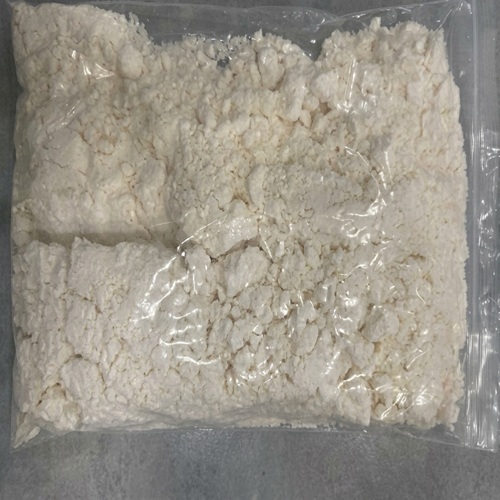


Buy Clonazolam Powder (Clonitrazolam) Online USA – Global Chem Market
Clonazolam Powder (Clonitrazolam) is a triazolobenzodiazepine-related compound studied in pharmacology, analytical chemistry, and forensic toxicology. It is structurally related to benzodiazepine compounds and has been associated with potent central nervous system depressant activity. Because human safety information is limited compared with established pharmaceutical benzodiazepines, careful analytical characterization and toxicological assessment are important.
What Is Clonazolam Powder?
Clonazolam Powder is a research chemical belonging to the triazolobenzodiazepine family. It is structurally related to compounds such as clonazepam and alprazolam but is a distinct chemical entity.
The term “clonazolam powder” describes a physical form and does not independently establish chemical identity, purity, concentration, or suitability for human use. Laboratory analysis is necessary when reliable characterization is required.
Clonazolam Pharmacological Profile
Clonazolam is associated with benzodiazepine-type activity involving GABA-A receptors, which play an important role in inhibitory neurotransmission within the central nervous system.
Research considerations may include:
- Triazolobenzodiazepine structure
- GABA-A receptor modulation
- Central nervous system depressant effects
- Pharmacokinetic and metabolic research
- Analytical detection
- Toxicological characterization
Because clonazolam is not equivalent to approved benzodiazepines, information about another benzodiazepine should not automatically be applied to clonazolam.
Analytical & Forensic Research
Clonazolam may be encountered in forensic toxicology and analytical investigations involving emerging benzodiazepine-related compounds.
Laboratory research can involve:
- Chemical identification
- Quantitative analysis
- Biological-sample testing
- Metabolite identification
- Pharmaceutical and forensic toxicology
- Reference-standard comparison
- Detection of related benzodiazepines
Analytical techniques can include LC-MS/MS, GC-MS, high-resolution mass spectrometry, and chromatographic methods, depending on the laboratory objective.
Identification & Laboratory Testing
Appearance alone cannot reliably establish the identity or purity of a substance described as clonazolam powder. Instrumental analysis can help distinguish clonazolam from other benzodiazepines, analogues, impurities, and degradation products.
Testing may assess:
- Chemical identity
- Purity and concentration
- Related compounds
- Metabolites
- Impurities and contaminants
- Degradation products
Validated laboratory methods and appropriate reference materials should be used for dependable identification.
Safety & Toxicology Considerations
Clonazolam is associated with potent benzodiazepine-type central nervous system depressant effects, while comprehensive human safety data remain limited.
Potential benzodiazepine-related adverse effects can include:
- Drowsiness and sedation
- Impaired coordination
- Reduced alertness
- Memory and concentration problems
- Confusion
- Respiratory depression, particularly when combined with other depressants
- Tolerance and physical dependence
Combining benzodiazepine-type compounds with opioids, alcohol, or other central nervous system depressants can substantially increase the risk of profound sedation and respiratory depression.
Regulatory & Research Considerations
The legal status of clonazolam varies by jurisdiction and may change as authorities address emerging benzodiazepine-related compounds. A compound’s regulatory status should be verified using current official sources applicable to the relevant location.
Research organizations should also follow institutional requirements, controlled-substance procedures, safety documentation, storage controls, and applicable recordkeeping obligations.
Frequently Asked Questions
What is clonazolam?
Clonazolam is a triazolobenzodiazepine-related compound investigated in pharmacological, analytical, and forensic research.
Is clonazolam the same as clonazepam?
No. Although their names and structures are related, clonazolam and clonazepam are distinct chemical compounds with different pharmacological and regulatory considerations.
How does clonazolam relate to benzodiazepines?
Clonazolam belongs to the triazolobenzodiazepine family and is associated with modulation of GABA-A receptor activity.
How can clonazolam be identified?
Laboratories may use LC-MS/MS, GC-MS, high-resolution mass spectrometry, and chromatographic techniques to identify and quantify clonazolam.
Does powder appearance confirm clonazolam identity?
No. Appearance alone cannot establish identity, purity, concentration, or composition. Instrumental laboratory analysis is needed for reliable characterization.
Is there extensive human safety information?
Human safety data are limited compared with established pharmaceutical benzodiazepines. Available research should not be treated as evidence of an established clinical safety profile.
Can clonazolam be dangerous with other depressants?
Yes. Combining benzodiazepine-type substances with opioids, alcohol, or other CNS depressants can increase sedation and respiratory-depression risks and may be life-threatening.
Is clonazolam regulated?
Regulatory treatment varies by jurisdiction and can change over time. Current applicable laws and institutional requirements should be verified before research or laboratory handling.
Reviews
There are no reviews yet.