
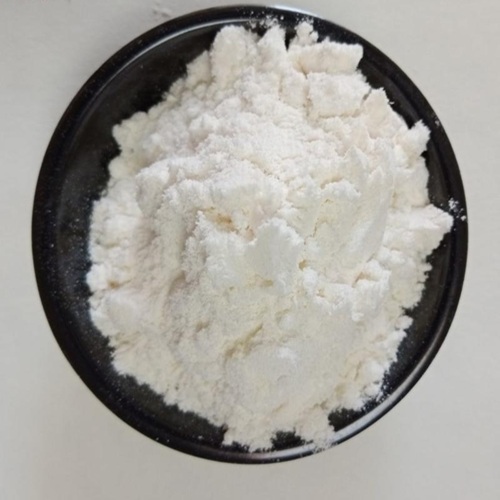

Buy BMK Powder (Benzyl Methyl Ketone) Online USA – GLOBAL CHEM MARKET
BMK Powder , commonly known as benzyl methyl ketone or 1-phenyl-2-propanone (P2P), is an organic ketone relevant to analytical chemistry, forensic science, and regulated chemical monitoring. Because BMK is subject to precursor-chemical controls in various jurisdictions, appropriate laboratory procedures and regulatory compliance are important when handling or analyzing the substance.
What Is BMK Powder (Benzyl Methyl Ketone)?
BMK powder is a commonly used abbreviation for benzyl methyl ketone, whose systematic chemical name is 1-phenyl-2-propanone. It is an organic ketone that can be characterized through established analytical chemistry techniques.
The description “BMK powder” does not by itself establish chemical identity, purity, concentration, or composition. Laboratory analysis should be used when definitive characterization is required.
BMK Chemical Profile
Benzyl methyl ketone belongs to the ketone class of organic compounds. Its chemical characteristics make it relevant to analytical testing, forensic chemistry, and precursor-monitoring programs.
Laboratory characterization may involve examining molecular identity, purity, impurities, degradation products, and other physicochemical properties.
Analytical & Forensic Research
BMK may be relevant to:
- Analytical chemistry
- Forensic chemical analysis
- Chemical precursor monitoring
- Regulatory compliance testing
- Quality-control analysis
- Chromatographic method development
- Mass-spectrometric identification
- Chemical reference research
Validated techniques such as GC-MS, LC-MS, NMR spectroscopy, and other suitable analytical methods may be used for chemical characterization.
BMK Identification & Laboratory Testing
Physical appearance alone cannot reliably establish the identity or purity of an unknown chemical material. Laboratory testing provides more dependable chemical characterization.
Analytical procedures can help distinguish BMK from related organic compounds and identify impurities, degradation products, or unexpected substances.
Safety & Laboratory Handling
BMK powder should be handled according to applicable laboratory safety procedures and the requirements associated with regulated chemical materials. Appropriate considerations may include suitable ventilation, compatible storage, personal protective equipment, controlled access, and proper waste management.
Before laboratory handling, personnel should consult the applicable safety data sheet and follow institutional chemical-safety procedures.
Regulatory Considerations
Benzyl methyl ketone/P2P is subject to precursor-chemical controls and regulatory requirements in various jurisdictions. Requirements can differ between the United States, individual European countries, and other regions and may change over time.
Organizations handling regulated chemical materials should verify current federal, state, national, customs, recordkeeping, storage, and institutional requirements before conducting regulated activities.
Frequently Asked Questions
What is BMK Powder?
BMK commonly refers to benzyl methyl ketone, also known as 1-phenyl-2-propanone or P2P. A material represented as BMK should be analytically verified before its identity or purity is established.
What is the chemical name of BMK?
BMK is commonly known as benzyl methyl ketone, with the systematic name 1-phenyl-2-propanone. It is also commonly referred to as phenylacetone or P2P.
Is BMK a pharmaceutical medication?
No. BMK/P2P is an organic chemical rather than a conventional pharmaceutical medication.
How can BMK be identified?
Validated analytical techniques such as GC-MS, LC-MS, NMR spectroscopy, and other appropriate laboratory methods can be used to investigate chemical identity and composition.
Why is laboratory testing important?
Analytical testing can confirm chemical identity, assess purity, identify impurities, and distinguish BMK from chemically related or unexpected materials.
Is BMK regulated?
BMK/P2P is subject to precursor-chemical controls in various jurisdictions. Specific requirements differ by location and can change, so current official regulations should be consulted.
How should BMK be handled?
Laboratory handling should follow the applicable safety data sheet, institutional chemical-safety procedures, appropriate protective measures, and all relevant regulatory requirements.
What research areas involve BMK?
BMK may be relevant to analytical chemistry, forensic science, chemical identification, precursor monitoring, regulatory compliance, and laboratory quality-control research.
Reviews
There are no reviews yet.