


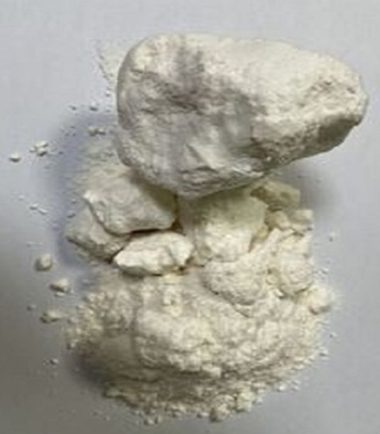
Buy ADB-18 (AB-BUTINACA) Powder Online USA – Global Chem Market
ADB-18 BUTINACA POWDER , commonly identified as AB-BUTINACA, is a synthetic cannabinoid-related compound investigated in analytical chemistry, forensic toxicology, and emerging-substance research. Synthetic cannabinoids can vary considerably in pharmacological activity and toxicological effects, making reliable identification and laboratory characterization particularly important.
What Is ADB-18 (AB-BUTINACA)?
ADB-18 is a synthetic cannabinoid-related research compound. It belongs to a group of substances designed around cannabinoid-like molecular structures and may be encountered in forensic and analytical investigations involving emerging psychoactive substances.
The term “ADB-18 powder” describes a physical form and does not independently establish chemical identity, purity, concentration, or composition. Professional analytical testing is necessary when accurate characterization is required.
ADB-18 Chemical & Pharmacological Profile
Synthetic cannabinoid compounds can interact with cannabinoid receptors, particularly the CB1 and CB2 receptor systems. However, individual compounds may differ substantially in receptor activity, potency, metabolism, and toxicological profile.
Research involving ADB-18 may examine:
- Molecular structure and physicochemical properties
- Cannabinoid-receptor activity
- Metabolic pathways
- Analytical detection
- Toxicological characteristics
- Comparison with related synthetic cannabinoids
Results obtained for one synthetic cannabinoid should not automatically be assumed to apply to ADB-18 or other structurally related substances.
Analytical & Forensic Research
ADB-18 may be relevant to laboratories studying emerging synthetic cannabinoids and unidentified materials. Analytical methods can help establish compound identity and distinguish closely related substances.
Potential research areas include:
- Forensic toxicology
- Chemical identification
- Emerging-drug surveillance
- Biological-sample analysis
- Metabolite characterization
- Impurity profiling
- Reference-standard research
Depending on the analytical objective, laboratories may use LC-MS/MS, GC-MS, high-resolution mass spectrometry, and chromatographic techniques.
Identification & Laboratory Testing
Visual appearance is not sufficient to confirm that a sample contains ADB-18. Laboratory analysis can help determine chemical identity and evaluate whether related compounds, impurities, contaminants, or degradation products are present.
Testing may examine:
- Molecular identity
- Chemical composition
- Purity
- Related synthetic cannabinoids
- Metabolites
- Degradation products
Validated analytical procedures and appropriate reference materials should be used whenever dependable identification is required.
Safety & Toxicology Considerations
Human toxicological information for emerging synthetic cannabinoids may be limited. Synthetic cannabinoid-related substances can produce unpredictable central nervous system and cardiovascular effects, and individual compounds may differ significantly in their effects and toxicity.
Potential adverse effects associated with synthetic cannabinoids as a broader class can include altered mental status, agitation, anxiety, impaired coordination, cardiovascular abnormalities, and other acute reactions.
Laboratory personnel should follow applicable safety documentation, institutional procedures, appropriate protective equipment, ventilation requirements, storage controls, and waste-management protocols.
Regulatory & Research Considerations
The legal and regulatory status of ADB-18 can vary between jurisdictions and may change as authorities address emerging synthetic cannabinoid compounds.
Organizations conducting research or analytical work should verify current federal, state, national, and local requirements, together with applicable institutional policies governing regulated or controlled research substances.
Frequently Asked Questions
What is ADB-18?
ADB-18, commonly referred to as AB-BUTINACA, is a synthetic cannabinoid-related compound studied in analytical chemistry, forensic toxicology, and emerging-substance research.
Is ADB-18 the same as other synthetic cannabinoids?
No. Synthetic cannabinoids can have substantially different molecular structures, receptor activity, metabolism, potency, and toxicological properties.
How can ADB-18 be identified?
Professional laboratories may use LC-MS/MS, GC-MS, high-resolution mass spectrometry, chromatography, and other validated analytical techniques for identification and characterization.
Can powder appearance confirm ADB-18 identity?
No. Appearance alone cannot establish chemical identity, purity, concentration, or composition. Instrumental laboratory analysis is required for reliable characterization.
Is there extensive human safety information for ADB-18?
Human data for emerging synthetic cannabinoids can be limited. Available research should not be interpreted as establishing a comprehensive human safety profile.
Why is analytical testing important?
Testing can help distinguish ADB-18 from related synthetic cannabinoids, identify impurities or unexpected substances, and characterize the composition of an unknown sample.
Is ADB-18 regulated?
Regulatory treatment varies by jurisdiction and may change over time. Applicable laws and institutional requirements should be verified before laboratory handling or research.
What research areas involve ADB-18?
Research may include forensic toxicology, analytical chemistry, emerging-substance surveillance, cannabinoid-receptor studies, metabolism research, and chemical characterization.
admin –
Sed diam nonummy nibh euismod tincidunt ut laoreet dolore magna aliquam erat
admin –
Sed diam nonummy nibh euismod tincidunt ut laoreet dolore magna aliquam erat .Sed diam nonummy nibh euismod tincidunt ut laoreet dolore magna aliquam erat