

What Is Oxycodone 30mg?
Oxycodone 30mg for Severe Pain Management. Oxycodone is a prescription opioid analgesic used to manage certain types of moderate to severe pain when an opioid may be appropriate. Oxycodone 30mg refers to a formulation containing 30 milligrams of oxycodone, but the specific product and release mechanism matter when evaluating its medical use.
Oxycodone is available in different formulations, including immediate-release products and extended-release products. A 30 mg strength has been used in certain oxycodone formulations, but the strength alone does not identify whether a tablet is immediate-release or extended-release. FDA labeling should therefore be checked for the specific product.
Oxycodone, sold under the brand names Roxicodone and OxyContin (which is the extended-release form) among others, is a semi-synthetic opioid used medically for the treatment of moderate to severe pain. It is a highly addictive[16] and commonly abused drug.[17][18] It is usually taken orally, and is available in immediate-release and controlled-release formulations.[17] Onset of pain relief typically begins within fifteen minutes and lasts for up to six hours with the immediate-release formulation.[17] In the United Kingdom, it is available by injection.[19] Combination products are also available with paracetamol (acetaminophen), ibuprofen, naloxone, naltrexone, and aspirin.[17]
Oxycodone products are controlled prescription medicines in the United States and have important warnings concerning respiratory depression, misuse, addiction, overdose, and potentially fatal interactions with other central nervous system depressants.
What Is Oxycodone 30mg Used For?
Oxycodone is used as an opioid pain reliever when pain is sufficiently severe to require an opioid and alternative treatments are inadequate.
FDA guidance emphasizes individualized assessment of pain and recommends using the lowest effective opioid dose for the shortest appropriate duration when an immediate-release opioid is required.Oxycodone 30mg for Severe Pain Management
The appropriate formulation depends on factors such as:
- The severity and nature of the pain
- Whether the pain is acute or persistent
- Previous exposure to opioid medicines
- Other medicines being taken
- Individual risk factors for respiratory depression and overdose
- The specific oxycodone formulation prescribed
A 30 mg strength should not be interpreted as a standard dose for every patient. Opioid dosing must be determined by a qualified healthcare professional.
Oxycodone 30mg: Immediate-Release vs. Extended-Release
One important point when discussing “oxycodone 30mg” is that different products can have different release characteristics.
Immediate-release oxycodone is designed to release the active medicine relatively quickly and is generally used for pain requiring short-acting opioid treatment.
Extended-release oxycodone is designed to release oxycodone over a longer period and is intended for specific patients with severe, persistent pain requiring continuous opioid treatment.
Historically, FDA-approved OxyContin extended-release tablets included a 30 mg strength. However, the labeling and formulation of a particular product should always be checked rather than assuming that every 30 mg oxycodone tablet has the same release characteristics.
How Does Oxycodone Work?
Oxycodone is an opioid analgesic. It acts on opioid receptors in the central nervous system to reduce the perception of pain.
Its effects can also include:
- Drowsiness
- Sedation
- Reduced respiratory drive
- Dizziness
- Constipation
- Nausea or vomiting
Because the same pharmacological effects that provide pain relief can also suppress breathing, opioid medicines require careful prescribing and monitoring. FDA identifies life-threatening respiratory depression as a major risk associated with opioid pain medicines.
Common Side Effects of Oxycodone
Common adverse effects associated with oxycodone and other opioid analgesics can include:
- Constipation
- Nausea
- Vomiting
- Drowsiness
- Dizziness
- Headache
- Itching or sweating
- Sedation
More serious reactions can include:
- Severe respiratory depression
- Extreme sleepiness
- Confusion
- Loss of consciousness
- Overdose
- Physical dependence
- Opioid use disorder
The risk of serious adverse effects can increase when oxycodone is combined with other substances that depress the central nervous system.
Oxycodone 30mg and Respiratory Depression
Respiratory depression is one of the most serious risks associated with oxycodone.
An excessive opioid effect can cause breathing to become slow, shallow, or difficult. Severe respiratory depression can result in unconsciousness, brain injury, or death. Oxycodone 30mg for Severe Pain Management
FDA advises seeking emergency medical attention when serious symptoms such as severely slowed or difficult breathing, severe sleepiness, or inability to wake or respond occur.
Risk can be particularly significant when opioids are combined with other CNS depressants.
Oxycodone and Alcohol or Benzodiazepines
Combining oxycodone with alcohol, benzodiazepines, or other CNS depressants can substantially increase the risk of dangerous sedation and respiratory depression.
FDA warnings state that combining opioids with benzodiazepines or other CNS depressants can result in:
- Profound sedation
- Respiratory depression
- Coma
- Death
Alcohol is specifically included among the CNS depressants that can increase these risks.
Patients taking prescribed oxycodone should discuss all medicines, supplements, alcohol use, and other substances with their healthcare professional.
Dependence, Tolerance, and Withdrawal
Oxycodone can cause physical dependence, particularly with repeated or prolonged use.
Tolerance occurs when the body becomes less responsive to a medicine over time, potentially requiring clinical reassessment.
Physical dependence means that stopping or substantially reducing the medicine can produce withdrawal symptoms.
Possible opioid withdrawal symptoms include:
- Restlessness
- Anxiety
- Muscle aches
- Sweating
- Runny nose
- Insomnia
- Abdominal cramping
- Nausea
- Diarrhea
Patients who have been taking oxycodone regularly should not abruptly stop treatment without medical guidance. FDA recommends individualized approaches to opioid tapering when tapering is clinically appropriate.
Oxycodone 30mg and Overdose
An oxycodone overdose is a medical emergency.
Possible signs of opioid overdose include:
- Very slow or difficult breathing
- Extreme sleepiness
- Inability to wake the person
- Loss of consciousness
- Small or pinpoint pupils
- Limpness or weakness
The FDA recommends discussing access to naloxone, an opioid overdose reversal medicine, with patients receiving opioid pain medicines. Naloxone can temporarily reverse opioid effects and help restore breathing during an overdose. Emergency medical assistance should still be obtained immediately.
Why Naloxone Matters
Naloxone is an opioid antagonist that can rapidly reverse the effects of opioids during an overdose.
FDA recommends that healthcare professionals discuss naloxone availability with patients receiving opioid pain relievers and consider it particularly for people with increased overdose risk, including those using benzodiazepines or other CNS depressants, people with a history of opioid use disorder, or people with a previous opioid overdose.
Current FDA information also notes that naloxone nasal sprays are available without a prescription in the United States, although availability and purchasing requirements can vary by product and location.
Is Oxycodone 30mg a Controlled Substance?
Yes. In the United States, oxycodone is classified as a Schedule II controlled substance under the federal Controlled Substances Act.
The DEA lists oxycodone among Schedule II controlled medications. Schedule II classification reflects the drug’s accepted medical use alongside its recognized potential for misuse, dependence, and other risks.
Consequently, oxycodone should only be obtained and used through lawful medical and pharmaceutical channels.
Oxycodone 30mg Compared With Other Opioids
Oxycodone belongs to the same broad opioid analgesic class as medicines such as hydromorphone, morphine, and hydrocodone, but these medicines are not interchangeable on a milligram-for-milligram basis.
| Medication | Drug class | Common medical role | Key safety concern |
|---|---|---|---|
| Oxycodone | Opioid analgesic | Moderate to severe pain in appropriate patients | Respiratory depression, dependence, overdose |
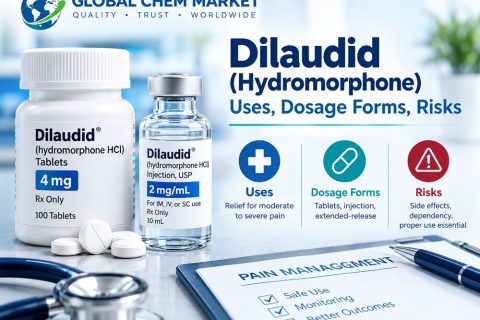
| Hydromorphone | Opioid analgesic | Severe pain | Respiratory depression and overdose |
| Morphine | Opioid analgesic | Moderate to severe pain | Respiratory depression and dependence |
| Hydrocodone | Opioid analgesic | Pain management, often in combination products | Respiratory depression, dependence |
Comparisons between opioid strengths require clinical conversion methods and consideration of opioid tolerance, formulation, and patient-specific factors. A 30 mg oxycodone tablet should therefore not be treated as equivalent to 30 mg of another opioid.
Safe Handling and Storage
Oxycodone should be stored securely and used only by the person for whom it was prescribed.
Because accidental ingestion can be dangerous, particularly for children and other people who have not been prescribed the medicine, safe storage is important.
Unused opioid medicines should be disposed of according to applicable FDA, pharmacy, or local medication-disposal guidance rather than being shared with another person.
Patients should also avoid driving or operating machinery if oxycodone causes significant drowsiness, dizziness, or impaired alertness.
Frequently Asked Questions
Is oxycodone 30mg the same as OxyContin 30mg?
Not necessarily. OxyContin is a specific extended-release oxycodone product, while “oxycodone 30mg” is a broader description that may refer to different formulations. The product’s labeling is needed to determine whether it is immediate-release or extended-release.
Is oxycodone 30mg a strong opioid?
Oxycodone is a potent prescription opioid, and 30 mg is a substantial strength that requires individualized medical assessment. The clinical significance of the strength depends on the formulation and the patient’s previous opioid exposure. Oxycodone 30mg for Severe Pain Management
Can oxycodone 30mg be taken with alcohol?
Alcohol can increase the sedating and respiratory-depressant effects of oxycodone. FDA specifically warns about the serious risks of combining opioid medicines with alcohol and other CNS depressants.
Can oxycodone cause dependence?
Yes. Repeated opioid exposure can result in physical dependence, tolerance, and in some individuals opioid use disorder. These risks are among the reasons opioid treatment should be periodically reassessed.
What should someone do during a suspected oxycodone overdose?
Call emergency medical services immediately. If naloxone is available, administer it according to its instructions and continue seeking emergency medical care. FDA emphasizes that emergency help should be obtained even when naloxone has been administered.
Conclusion
Oxycodone 30mg refers to a high-strength oxycodone formulation, but the term alone does not identify the product’s release mechanism or determine an appropriate dose for an individual. Oxycodone 30mg for Severe Pain Management
Oxycodone has legitimate medical applications for pain management, but it also carries significant risks, including respiratory depression, misuse, physical dependence, addiction, and overdose. These risks can become substantially more serious when oxycodone is combined with alcohol, benzodiazepines, or other CNS depressants.
Anyone prescribed oxycodone should follow the exact instructions provided by their healthcare professional and pharmacist, keep the medication secured, and understand the signs of opioid overdose and the role of naloxone.

Leave a comment