
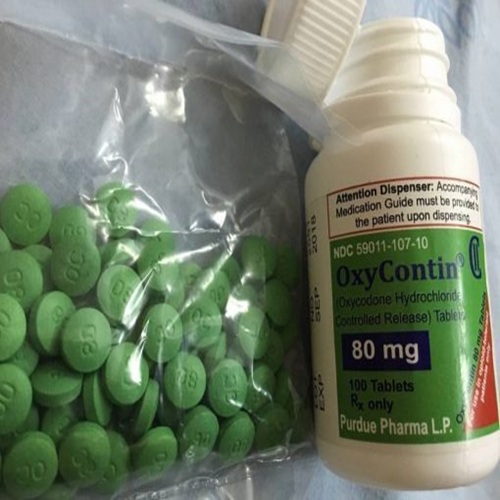
Buy OxyContin 80mg (Extended-Release Oxycodone) Online – Global Chem Market
OxyContin 80mg contains extended-release oxycodone, a prescription opioid analgesic formulated to provide prolonged pain relief. Because oxycodone is a potent opioid with significant risks of respiratory depression, dependence, misuse, and overdose, its use requires appropriate medical supervision.
This page provides general pharmaceutical, clinical, analytical, and safety information about OxyContin 80mg.
What Is OxyContin 80mg?
OxyContin is an extended-release oral formulation of oxycodone. Oxycodone is a semisynthetic opioid that produces analgesic effects primarily through activity at mu-opioid receptors in the central nervous system.
The 80mg strength represents a high-strength prescription formulation and is subject to strict prescribing and regulatory controls in many jurisdictions.
Pharmaceutical Uses
Extended-release oxycodone may be prescribed for the management of severe, persistent pain when continuous opioid analgesia is considered medically appropriate.
OxyContin is designed as an extended-release formulation. It should therefore be distinguished from immediate-release oxycodone products and other opioid formulations.
How Does Oxycodone Work?
Oxycodone primarily activates mu-opioid receptors in the brain and spinal cord. This changes the perception and emotional response to pain and can also produce central nervous system effects such as sedation.
Its pharmacological activity also explains important opioid-related adverse effects, including respiratory depression and the potential for tolerance and physical dependence.
OxyContin 80mg Safety Information
OxyContin 80mg can cause serious or potentially life-threatening adverse effects. Important risks include:
- Respiratory depression and slowed breathing
- Severe drowsiness or sedation
- Dizziness and impaired coordination
- Nausea, vomiting, and constipation
- Tolerance and physical dependence
- Opioid use disorder and misuse
- Withdrawal symptoms following dependence
- Potentially fatal overdose
Combining oxycodone with alcohol, benzodiazepines, other opioids, or other central nervous system depressants can substantially increase the risk of profound sedation, respiratory depression, coma, and death.
Pharmaceutical Identification & Analysis
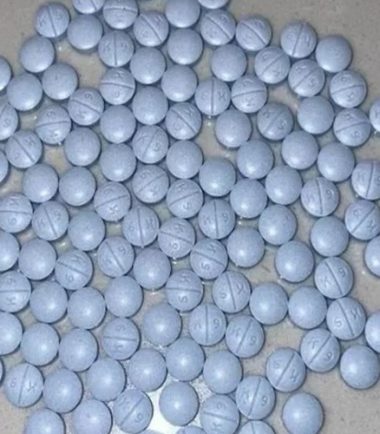
Tablet appearance, markings, packaging, or online descriptions should not be treated as definitive proof of pharmaceutical identity or strength.
Validated pharmaceutical or laboratory analytical techniques may be used to identify oxycodone and characterize pharmaceutical materials. Analytical methods can include chromatographic and spectrometric techniques performed by qualified laboratories.
Counterfeit or incorrectly represented opioid products can contain unexpected active ingredients or concentrations, creating additional safety risks.
Dependence, Tolerance & Withdrawal
Repeated exposure to oxycodone can result in tolerance and physical dependence. Abrupt discontinuation after prolonged use may produce opioid withdrawal symptoms.
Any change in long-term opioid therapy should be managed by an appropriately qualified healthcare professional rather than through unsupervised dose changes.
Regulatory Considerations
Oxycodone is a controlled prescription opioid in many countries. OxyContin and other oxycodone formulations are subject to prescription, dispensing, storage, and regulatory requirements that vary by jurisdiction.
Regulatory classification can also differ according to formulation and local legislation.
Frequently Asked Questions
What is OxyContin 80mg?
OxyContin 80mg is an extended-release prescription formulation containing 80mg of oxycodone. It is an opioid analgesic intended for medically supervised treatment of appropriate persistent pain conditions.
Is OxyContin the same as oxycodone?
OxyContin is a branded extended-release formulation of oxycodone. Oxycodone is the active opioid ingredient, while other oxycodone products may have different release characteristics, strengths, or formulations.
Is OxyContin 80mg a controlled substance?
Oxycodone is subject to controlled-substance regulations in many jurisdictions. The precise legal classification and requirements depend on the country or region.
What are the major risks of OxyContin?
Important risks include respiratory depression, sedation, constipation, tolerance, physical dependence, misuse, opioid use disorder, and overdose.
Can OxyContin be combined with alcohol or sedatives?
Combining oxycodone with alcohol, benzodiazepines, or other central nervous system depressants can significantly increase the risk of dangerous respiratory depression and overdose.
How can an oxycodone tablet be identified?
Identification should not rely solely on color, shape, imprint, or photographs. Pharmaceutical references and, when necessary, validated laboratory testing provide more reliable identification.
Does OxyContin have an extended-release formulation?
Yes. OxyContin is formulated as an extended-release oxycodone product intended to provide prolonged drug release compared with immediate-release formulations.
Where can pharmaceutical information about OxyContin be researched?
Information can be evaluated through official prescribing information, recognized pharmaceutical references, clinical literature, and qualified analytical laboratories.
Reviews
There are no reviews yet.